3 Indian-origin CEOs likely in race as Jensen Huang quits top Nvidia post
Detailed summary
The board of the chip company said it is open to insider and outsider candidates as it continues to look for a permanent chief to replace Jensen Huang. | World News
Nvidia has begun its search for a new chief executive officer (CEO) after Jensen Huang resigned on Thursday amid controversy around his alleged extramarital affairs, one including with a woman suspected of spying for China.
The board has appointed Colette Kress, its current executive vice president and chief financial officer, as the interim CEO. Kress will continue to serve as executive vice president and CFO alongside her interim role until a permanent successor is appointed.
The board of the chip company said it is open to insider and outsider candidates as it continues to look for a permanent chief to replace Huang.
Analysts and investors are looking for someone with strong technical knowledge, a clear vision and financial expertise, given Nvidia’s role as both a major investor in the AI boom and a chipmaker. Experience running a large company is also likely to be essential.
Also Read: Trump urged Jensen Huang to fight for his job ahead of resignation as Nvidia CEO: Report
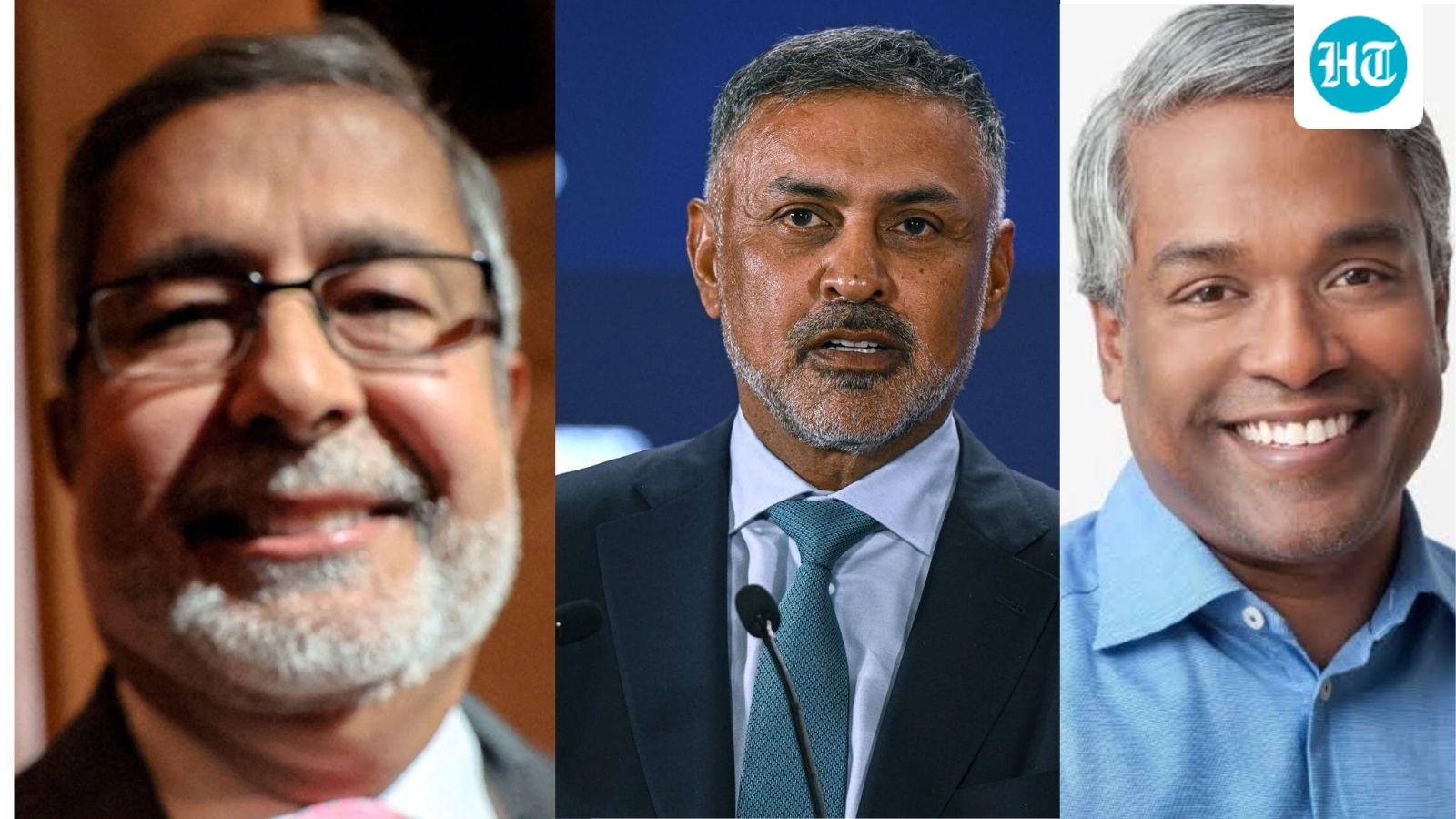
Eleven names are reportedly being considered as potential candidates for Nvidia’s next CEO, including three Indian-origin executives who could be in the running for the top job.
The first Indian-origin in the mix for the top job is Sanjay Mehrotra, chief executive of memory chip maker Micron. He brings over four decades of experience and has worked closely with Nvidia, which uses Micron products, according to Reuters.
Mehrotra has been leading Micron, the largest US memory chipmaker, since 2017, helping turn it into a key supplier for AI systems. Before joining Micron, he co-founded flash-memory maker SanDisk in 1988 and served as its CEO from 2011 until its sale in 2016, building it into a Fortune 500 semiconductor company.
Under his leadership, Micron has strengthened its ties with Nvidia and shifted its focus towards high-bandwidth memory chips used in AI servers. The move helped push the company’s valuation to around $1 trillion amid growing demand for AI infrastructure.
Opening of the article, excerpted from Hindustan Times. To read the rest, open the article on the publisher's site.
MarketNews shows the headline and summary published by the outlet. The full article is on the publisher's website. (www.hindustantimes.com)