Scientists Thought This Amphibious Mouse Was Extinct. After Almost a Century, It's Reappeared.
Résumé détaillé
Little is known about the rodent, aside from the fact that it frequents murky waterways. Once confirmed, the new find could reveal more about its life history.
Little is known about the rodent, aside from the fact that it frequents murky waterways. Once confirmed, the new find could reveal more about its life history.
The Ethiopian water mouse (Nilopegamys plumbeus) has never been a household name—even in Ethiopia.
In fact, when the species was discovered in 1927 and formally described the following year, a single specimen was all researchers had to go on. And after that discovery, the mouse was never seen in the wild again, and when most of its habitat was lost to agriculture, it was presumed extinct.
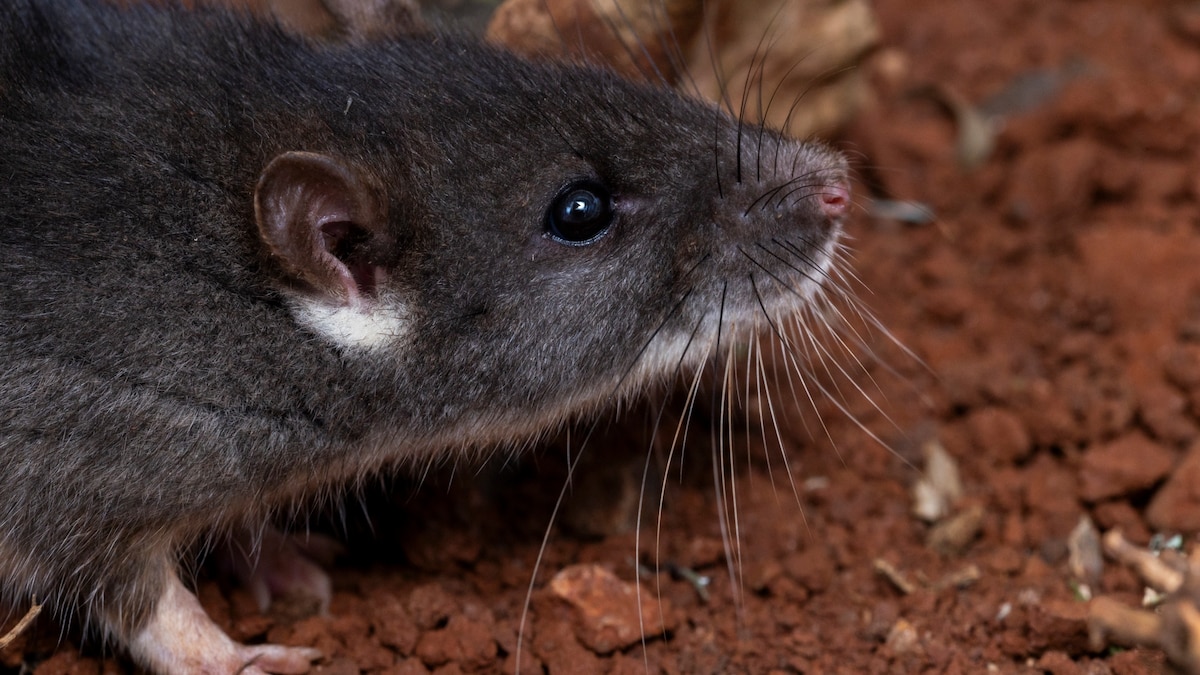
So it came as a total shock when Mengistu Wale, an ecologist at the Ethiopian Biodiversity Institute, checked one of his traps during a biodiversity survey and saw a large, brown, beady-eyed amphibious rodent staring back at him.
“When I saw it for the first time, I was very excited,” says Wale. “I was 95 percent sure it was Nilopegamys.” Unlike many other native rodent species, Nilopegamys has rather conspicuous white spots behind its ears—a dead giveaway to its identity.
As an expert on Ethiopian mammals, Wale was well aware of the water mouse and concerned that it had seemingly disappeared. And for this reason, he often places traps along waterways and within wetland habitats, just in case. But even he didn’t expect to come face-to-face with the lost mammal.
Amazingly, Wale and his colleagues then captured two more specimens, and by comparing the animals’ features to those in the 1928 description, they believe they can say with confidence that the rodents belong to the long-lost species. The team plans to announce their find on November 10, but genetic tests are also underway that will solidify the discovery.
“If confirmed, this would be remarkable news,” says Thomas Giarla, a mammalogist from Siena University who was not part of the biodiversity survey. “While I look forward to seeing the detailed verification data, Nilopegamys is distinctive enough that an expert visual assessment may well hold up,” he says.
Part of what made…
Début de l'article, extrait de National Geographic. Pour lire la suite, ouvrez l'article chez le média.
MarketNews présente le titre et le résumé publiés par le média. L'article complet se lit sur le site de l'éditeur. (www.nationalgeographic.com)