Carbon dioxide is a climate problem. It might also be a laundry solution.
Résumé détaillé
A technology born in aerospace uses liquid CO2 to wash clothes without water or a dryer. The challenge is making it work in a home appliance.
Doing the laundry has grown easier and more efficient over the years, yet two things have always remained the same: A washing machine needs water, and a dryer needs heat. Technology designed to clean aerospace parts reimagines the process by ditching both of those in favor of an unlikely substitute: carbon dioxide, the very gas we’re trying so hard to contain.
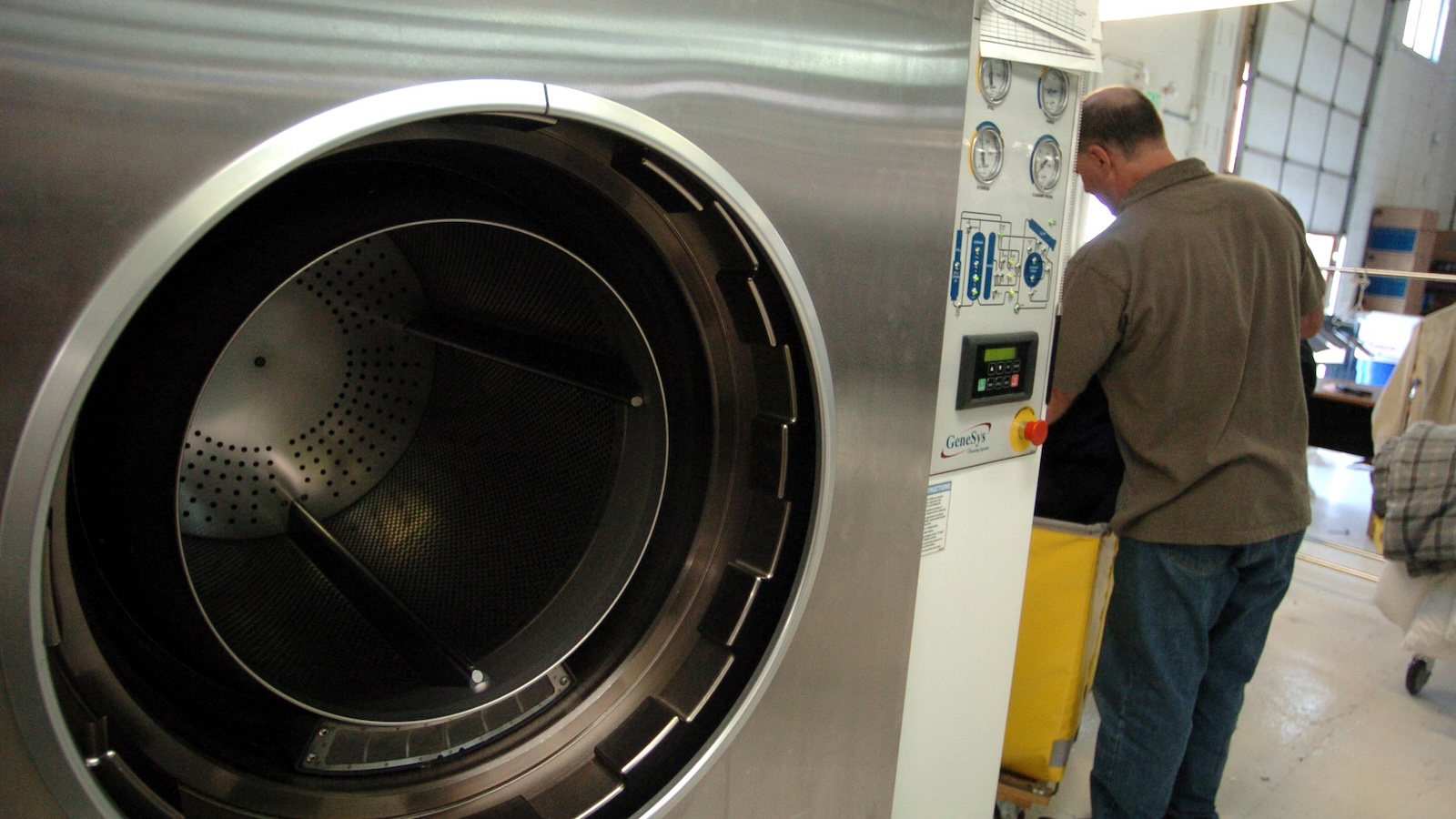
Under pressure, CO2 becomes a low-viscosity liquid capable of penetrating fabrics and carrying away oils and grime. When depressurized, it reverts to a gas, leaving clothes clean and dry. No wastewater. No dryer.
Beyond its novelty, the idea could clean up a resource-intensive chore. The average family runs roughly 300 loads a year, consuming thousands of gallons of water. And more than 80 percent of U.S. households own a dryer, with one study putting the annual CO2 emissions from machine drying alone at 27 million metric tons.
Long confined to industrial operations, liquid-CO2 cleaning is getting a second look from appliance giants LG and Samsung — this time for the home. Still, shrinking a technology built around bulky, high-pressure machinery to fit both a laundry room and household budget is a tall order. No less challenging is doing so without washing away the environmental gains that make waterless, dryerless laundry so enticing in the first place.
To support our nonprofit environmental journalism, please consider disabling your ad-blocker to allow ads on Grist. Here's How
Just getting this far has taken decades. Hughes Aircraft developed the process in 1990 to remove grease and other contaminants from electronic components. Electrolux later pursued it as a safer alternative to solvent-based dry cleaning, though cost, complexity, and bulky equipment kept it from catching on.
In 2009, Colorado-based Tersus Solutions began refining the technology and has since carved out a niche cleaning outdoor apparel and equipment, as well as firefighter gear contaminated with hazardous residues.
Tersus CEO Peter Whitcomb…
Desp…
Début de l'article, extrait de Grist. Pour lire la suite, ouvrez l'article chez le média.
MarketNews présente le titre et le résumé publiés par le média. L'article complet se lit sur le site de l'éditeur. (grist.org)