The Rohingya are not a legal precedent. We are a people waiting for justice — Yasmin Ullah
Detailed summary
On November 19, the International Court of Justice (ICJ) will deliver its judgment in The Gambia v. Myanmar, a case concerning Myanmar’s alleged violations of ...
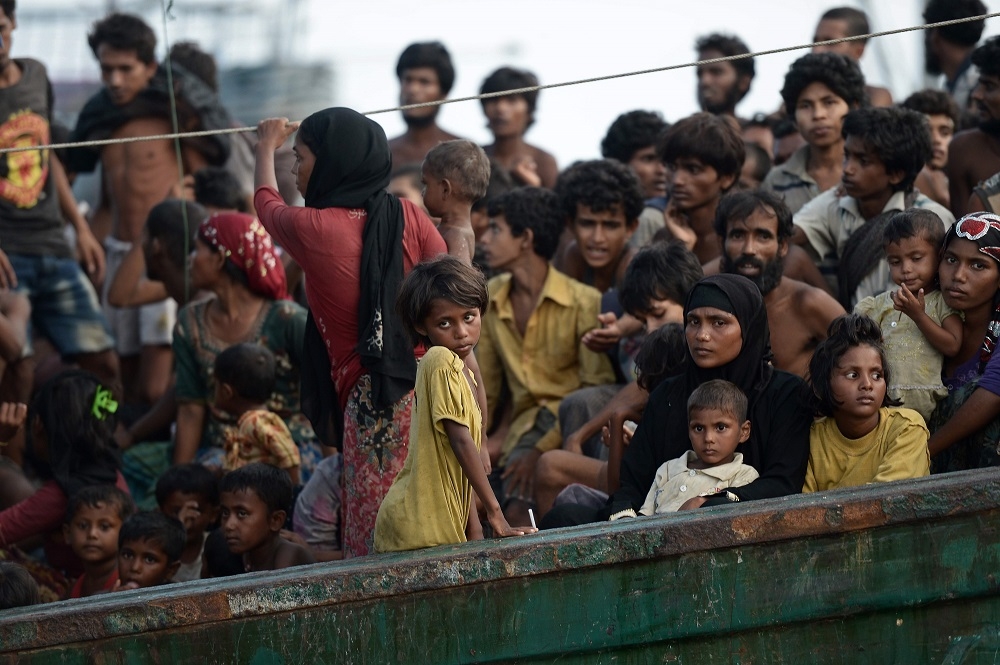
NOVEMBER 15 — On November 19, the International Court of Justice (ICJ) will deliver its judgment in The Gambia v. Myanmar, a case concerning Myanmar’s alleged violations of the Genocide Convention. For our Rohingya community, this is more than a moment in international law. It follows decades of persecution and nearly ten years of waiting for the world to acknowledge what we have known: that we have endured a campaign of destruction because of who we are.
Yet, the conversation is being pulled away from the people whose lives are at stake.
In September, a Wall Street Journal opinion piece by Orde F. Kittrie and Andres B. Munoz-Mosquera warned that the ICJ could lower the legal threshold for establishing genocide in the Rohingya case. The authors connected this possibility to South Africa’s pending genocide case against Israel and potential claims against the United States, Nato members even suggesting sanctions against ICJ judges.
In October, US Ambassador Mike Waltz amplified this argument, warning against lowering the genocide threshold in ways that could affect American and allied soldiers. His remarks alongside Washington’s sanctions against the International Criminal Court, raised concerns about political pressure on international justice
Professor Michael Becker, former ICJ legal officer, explains that the Court’s treatment of genocidal intent could have repercussions for South Africa’s case against Israel particularly on how genocidal intent is inferred from patterns of conduct when states invoke military or counterterrorism operations.
That is a legitimate legal discussion. But the possibility that a judgment concerning the Rohingya could have consequences for another state is not a reason to politically contain the Rohingya case or prejudge the Court’s work.
As Professor John Packer reminds us, there is no adjustable genocide threshold to be lowered according to whose interests are affected. The law to be applied is the Genocide Convention.
International criminal…
S…
Opening of the article, excerpted from Malay Mail. To read the rest, open the article on the publisher's site.
MarketNews shows the headline and summary published by the outlet. The full article is on the publisher's website. (www.malaymail.com)