COP31 and the test of lasting food security
Detailed summary
As COP31 highlights climate-resilient agriculture, social investors are urged to rethink food security funding to ensure households can withstand future…
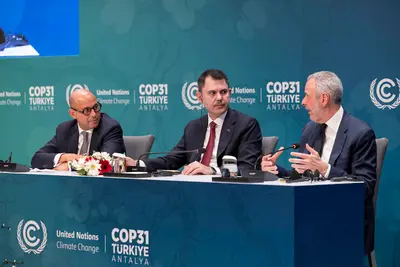
The 31st United Nations Climate Change Conference (COP31) which kicked off in Türkiye on 9 November includes food safety among the priority themes of its Action Agenda. This covers climate-resilient agriculture, and stronger connections between food and water management. The discussions emerging from COP should prompt social investors to rethink how we approach our work. This includes asking important questions like “will the food security programmes we fund today still help households eat well after the next drought, flood or price shock?
Food security means having reliable access to sufficient, nutritious food over time. A successful harvest or a food parcel meets an immediate need, but sustainable food security depends on what happens when rainfall fails, income disappears or food prices rise. The United Nations’ State of Food Security and Nutrition in the World 2026 report estimates that 645 million people faced hunger in 2025. Although this was nearly 14 million fewer than in 2024, this figure is still alarmingly high. South Africa’s household data show deterioration over an earlier period: moderate to severe food insecurity rose from 15.8% of households in 2019 to 19.7% in 2023.
Affordability remains a central problem. In September 2026, the Pietermaritzburg Economic Justice and Dignity Group put its household food basket for seven people at about R5 488, compared with R6 655 for a basic nutritional food basket of the same household size. That gap reflects the distance between what households buy and what a nutritious diet costs. Growing vegetables helps, but it does not remove the need for sufficient income to buy other food.
As the priority agenda items of COP31 reflect, climate risks are adding to existing pressures. On 3 September, the World Meteorological Organization warned that El Niño would intensify, increasing risks of drought, floods and extreme heat.
This is where COP31’s focus on resilience should influence social investment decisions.
Opening of the article, excerpted from Mail & Guardian. To read the rest, open the article on the publisher's site.
MarketNews shows the headline and summary published by the outlet. The full article is on the publisher's website. (mg.co.za)