Brick houses are disappearing from America’s new construction: ‘Nobody got paid for how long a house would last’
Résumé détaillé
Brick or brick veneer now covers just 16.8% of new homes. Real structural brick walls are rarer still, as builders trade permanence for speed.
Americans have never paid more for a home. The median existing home sold for a record $440,600 in June, according to the National Association of Realtors. Yet the brick house, the kind built to stand for a century, has nearly vanished from new construction.
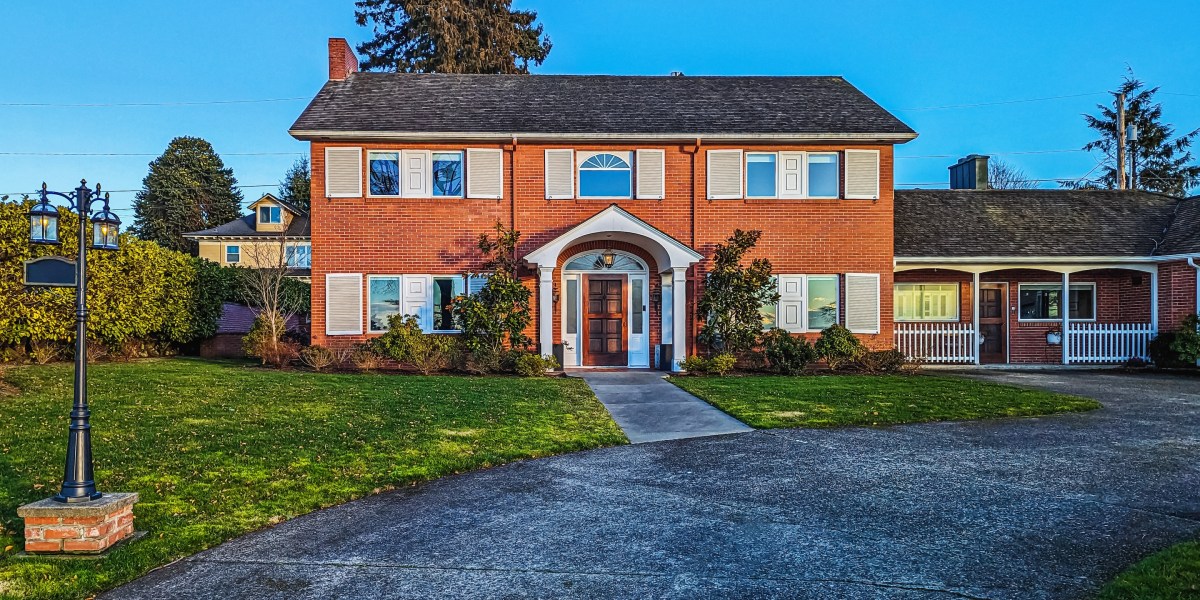
Brick or brick veneer covered just 16.8% of new single-family homes started in 2025, down from almost a quarter in 2012, according to a National Association of Home Builders analysis of Census data. And most of the homes that still look like brick houses aren’t. They’re wood-frame houses with a layer of brick veneer attached to the outside.
A home can mean a lot of things. A place to raise a family. An investment. A refuge. A milestone. But somewhere along the way, American homebuilding changed the question. Not “will this last a lifetime?” Just “will it last the mortgage?”
“We didn’t decide to build houses that just outlast the mortgage. We kind of drifted there,” said Dan D’Agostino, founder of Plan Architecture and a residential architect based in New Jersey.
The distinction between real brick and veneer matters. A structural masonry wall holds up the building itself. Veneer is an exterior finish, while the wood frame behind it does the structural work.
The change reflects a postwar housing boom, a shrinking skilled-labor pool, rising construction costs, and a preference for homes that could be built quickly and cheaply. But some architects and builders say it also changed what Americans expect from the places they live, and what buyers paying record prices actually get for their money.
The shift away from structural masonry accelerated after World War II, when returning veterans and their families needed affordable homes, and needed them quickly. Developers such as Levitt & Sons met that demand with standardized designs and faster construction methods. Between 1947 and 1951, the company built 17,447 houses in Levittown on Long Island, at times finishing 10 to 12 homes a day.
“Levittown was a legitimate solution to…
B…
Début de l'article, extrait de Fortune. Pour lire la suite, ouvrez l'article chez le média.
MarketNews présente le titre et le résumé publiés par le média. L'article complet se lit sur le site de l'éditeur. (fortune.com)