Restoring the bison population may be possible, ‘groundbreaking’ study finds
Detailed summary
A University of Saskatchewan-led paper researched the genetics of modern bison and compared it to the DNA structure of ancient bison.
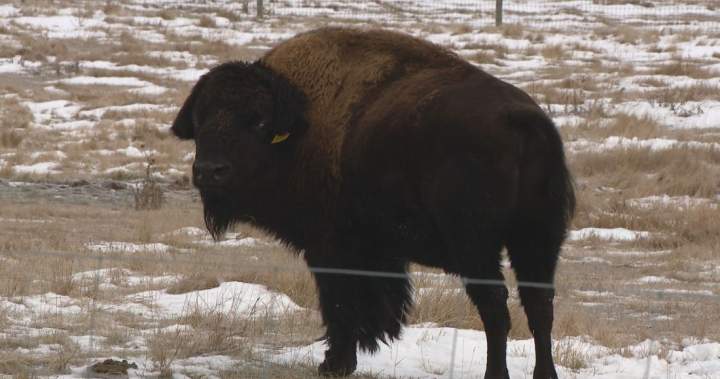
A University of Saskatchewan-led study may be the blueprint for genetically restoring the once-plentiful population of American bison in North America.
The paleogenomic research was done by the Bison Integrated Genome (BIG) project. It compared the complete DNA set, or genomes, of 115 ancient, 200 to 20,000-year-old wood and plain bison, to 45 modern ones.
“We’ve made huge progress in understanding bison biology,” Gregg Adams, one of the principal investigators with BIG, said. Adams is also a retired professor from the University of Saskatchewan’s Western College of Veterinary Medicine.
“We need to know what a pure plains bison is and what a pure wood bison is before we messed with the mix. We thought if we get ancient DNA, we could get the gold standard of what they were and what they had evolved to over thousands and thousands of years. And then we’d know how we can get back to that.”
In the paper, dozens of researchers found the most glaring difference of the genetic makeup of a modern American bison, when compared to the ancient animals, is the high degree of fragmentation between herds. Prior to the industrial revolution, bison travelled as a “monstrous, roaming herd across North America,” Adams said.
The various herds interacted and interbred during those journeys, creating genetic diversity, he added.
Bison were once populous in the Great Plains of North America, which spans into parts of Canada’s Prairie provinces and territories. That population of approximately 30 million began to dwindle in the 19th century as European settlers hunted the animals for their hides, meat or as sport until only hundreds remained.
“Despite this decline, genetic diversity remained stable, although subsequent drift and isolation led to the high degree of structure in bison herds today,” according to the study.
That “subsequent drift” was partly the result of the introduction of roads and railways, Adams said.
Opening of the article, excerpted from Global News. To read the rest, open the article on the publisher's site.
MarketNews shows the headline and summary published by the outlet. The full article is on the publisher's website. (globalnews.ca)