Big Pharma, with eye on Anthropic, says AI is shrinking drug discovery timelines
Résumé détaillé
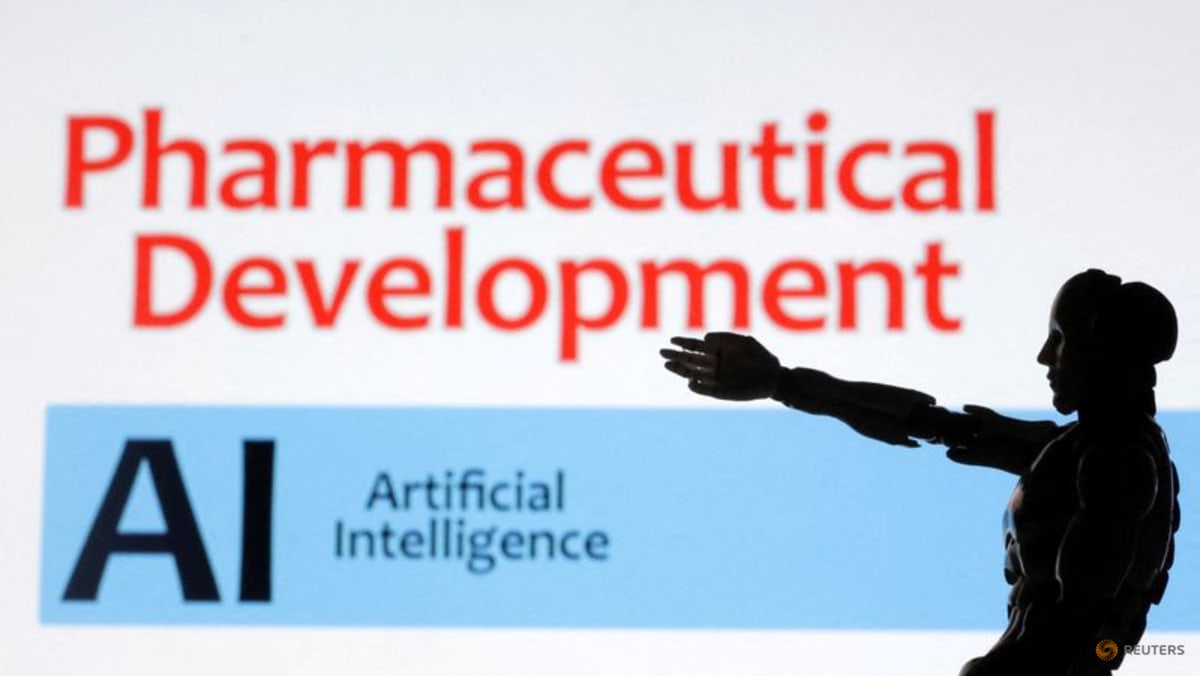
NEW YORK/LONDON, Nov 20 : Artificial intelligence has sped up early-stage drug development work at some of the world's largest pharmaceutical companies this year, cutting by as much as half the time it takes to produce new molecules and move them into the clinic, according to their top scientists.
GSK, Bristol Myers Squibb, Novartis, Eli Lilly, Novo Nordisk, AstraZeneca and Sanofi all say they have moved beyond less glamorous tasks for AI like preparing regulatory filings. They are now using the technology for designing molecules, sorting out the most promising ones, and identifying safety risks.
“There is no part of the discovery through development pipeline where we are not using AI,” AstraZeneca executive Sharon Barr said.
Some of the scientists say decades of drug discovery experience and data give them an advantage over AI companies like Anthropic, which is gearing up to be a rival, partner or both, with a $1.5 trillion initial public offering this week.
In recent months, it opened its own laboratory and announced other investments, part of pushing AI to speed drug discovery.
On Thursday, Anthropic CEO Dario Amodei, at the Nasdaq before shares began trading, spoke of his father dying of a disease shortly before a cure was found.
Although clinical trials and experiments will still take time, he said, "I believe these processes can be substantially accelerated by AI. We hope that in the future, fewer families miss a cure by a few years."
Drug companies are gauging whether the upstart can succeed in tackling disease. Historically, nearly 9 out of 10 drugs developed using conventional methods fail in clinical trials. It can cost billions of dollars and take 10 to 15 years to bring a drug to market, according to industry lobby group PhRMA.
Aliza Apple, who runs Lilly's TuneLab, which gives smaller biotechs access to some of the drugmaker's internal AI models to promote collaboration, said claims like those made by Amodei and the founders of Alphabet’s Isomorphic Labs that…
Début de l'article, extrait de CNA. Pour lire la suite, ouvrez l'article chez le média.
MarketNews présente le titre et le résumé publiés par le média. L'article complet se lit sur le site de l'éditeur. (www.channelnewsasia.com)