Alberta government to require cleanup funds to be set aside for each new well drilled
Detailed summary
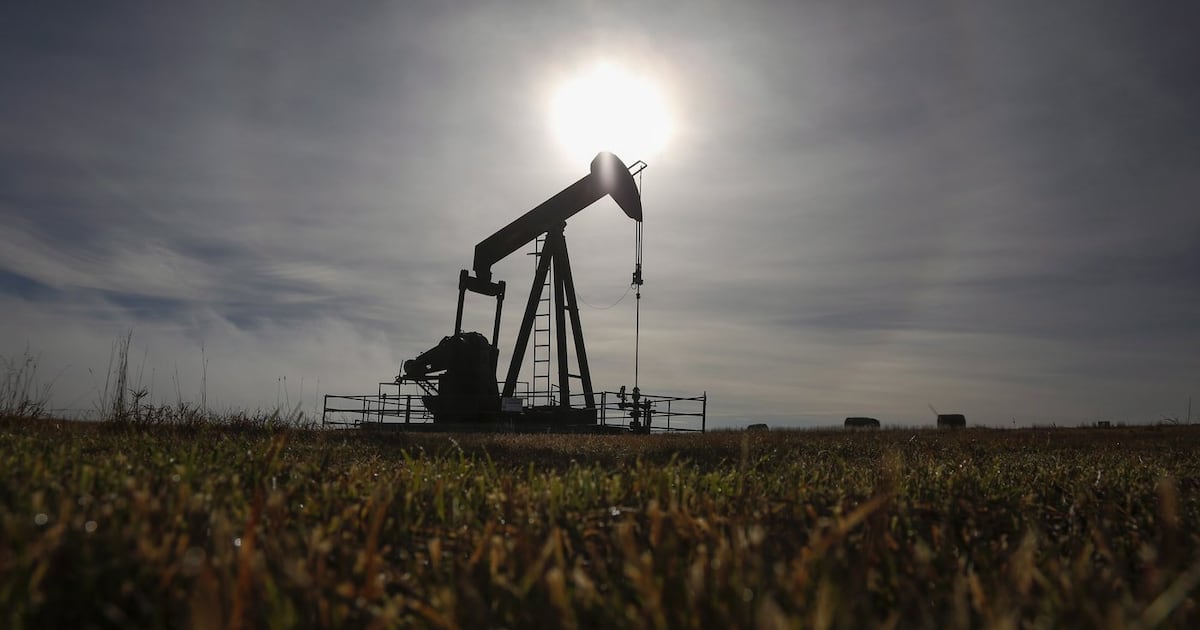
The Alberta government has introduced legislation that would require oil and gas companies to set aside funds for the future cleanup of every new well drilled.
The Alberta government has introduced legislation that would require oil and gas companies to set aside funds for the future cleanup of every new well drilled.
If passed, the bill would create the Resource Asset Closure Assurance and Stewardship Fund. Money would follow each well through its life cycle, even if ownership changes hands.
Companies would be required to make an initial payment of up to $50,000 followed by equal annual payments for up to 10 years. The new rules are expected to apply to wells drilled after April 1, 2027.
Between the payments and compound interest that accrues over time, there should be enough money available to fund the eventual cleanup of a typical well, Brian Jean, minister of energy and minerals, told a news conference Wednesday.
“We are making sure that when these wells are drilled, we have something set aside for them to be cleaned up so that the taxpayers are not on the hook.”
Managing the backlog of old oil and gas wells that have no one legally responsible for them, due to bankruptcy and other factors, has been a long-running issue in Alberta. Farmers have raised concern about contamination from inactive wells on their land.
Cleanup of such sites is managed through the non-profit Orphan Well Association and is funded through an industry fee, the amount of which the Alberta Energy Regulator recommends to the Alberta government every year. That fee would continue to exist.
The Orphan Well Levy for the 2026-27 fiscal year is $154.56 million, up from $144.45 million the previous year, though the well association has pegged total cleanup costs of its inventory at $1.66 billion.
The latest monthly numbers from the Orphan Well Association say there are 7,328 wells are waiting to be decommissioned, which involves permanently dismantling equipment so that the site is safe. Another 9,258 sites are in need of reclamation, which means restoring the land so it’s similar to its original state.
Opening of the article, excerpted from BNN Bloomberg. To read the rest, open the article on the publisher's site.
MarketNews shows the headline and summary published by the outlet. The full article is on the publisher's website. (www.bnnbloomberg.ca)