Are electric cars sustainable transport’s silver bullet?
Résumé détaillé
The Fifth Estate - What should the role of electric vehicles (EVs) be in cities today, from both an individual and broader societal perspective? Are electric cars sustainable…
What should the role of electric vehicles (EVs) be in cities today, from both an individual and broader societal perspective? This commentary provides insights into this question using quantitative urban travel data showing the relative role of private motorised transport, public transport and non-motorised modes.
Spinifex is an opinion column. If you would like to contribute, contact us to ask for a detailed brief.
The first part explains the magnitude of the automobile dependence problem in cities around the world, while the second part reviews the expectations being placed on EVs to help solve this.
Vehicle dependence is for most cities a seemingly intransigent problem. This is revealed here for 41 cities through modal splits for cars, motorcycles, public transport, walking and cycling using actual distances travelled by each mode (Person-Kilometres Travelled or PKT), not just the number of trips. PKT represents all people’s travel to meet daily needs (Figure 1).
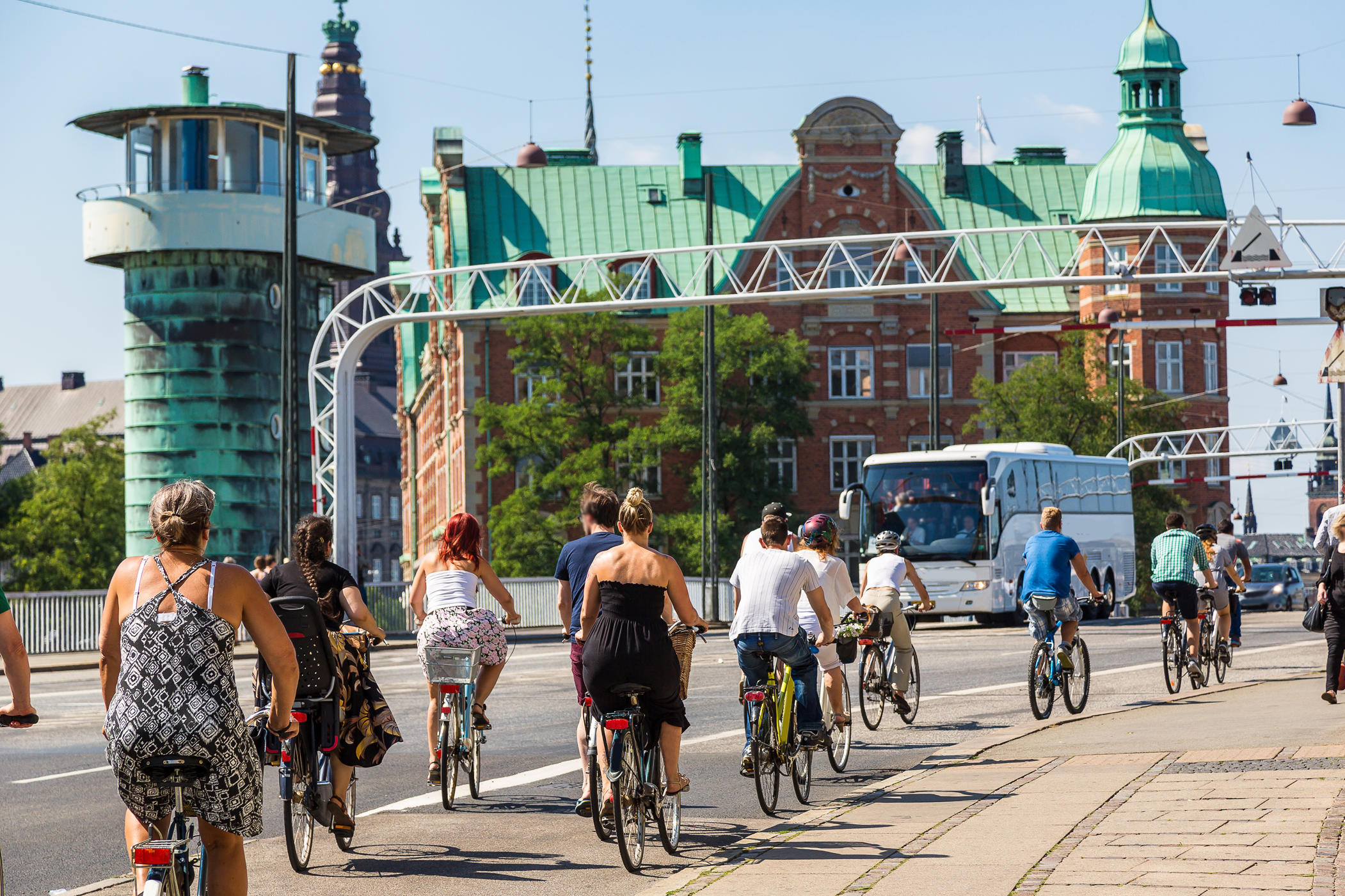
Examining Figure 1 below shows that even in Copenhagen, the poster child for a cycling city, cars still account for 72 per cent of all travel.
Only Vienna, Prague and Berlin have about 55 to 60 per cent of total personal mobility by car.
Singapore, a compact, dense city with superb public transport, still has around 47% by car and about 55 per cent if motorcycles are added. More than half the cities studied are 80 + per cent. Hong Kong significantly breaks this 50 per cent threshold with only 15% of travel needs by car. It is totally built for non-car access. However, between Hong Kong’s meagre 15 per cent car use and 50 per cent or higher in other cities, there are incalculable opportunities for cities to reduce their need for cars.
In our book The End of Automobile Dependence, Peter Newman and I argued that automobile dependence has been overcome when cities have about 75 per cent car travel-i.e.
Overcoming automobile dependence does not imply that all auto-based problems are overcome.
Début de l'article, extrait de The Fifth Estate. Pour lire la suite, ouvrez l'article chez le média.
MarketNews présente le titre et le résumé publiés par le média. L'article complet se lit sur le site de l'éditeur. (thefifthestate.com.au)