US-Pakistan relations beyond the Trump factor
Résumé détaillé
In July 1971, Henry Kissinger, then National Security Adviser to US President Richard Nixon, was unwell and resting at a mountain resort in Nathiagali, outside Islamabad. That was…
In July 1971, Henry Kissinger, then National Security Adviser to US President Richard Nixon, was unwell and resting at a mountain resort in Nathiagali, outside Islamabad. That was the story Pakistani officials allowed to circulate.
In reality, Kissinger was on his way to Beijing, traveling secretly through Pakistan to meet Chinese Premier Zhou Enlai. The carefully arranged meeting concealed one of the most consequential diplomatic missions of the Cold War.
Pakistan had provided Washington with a channel to a government with which the United States had no formal diplomatic relations. The secret visit paved the way for President Nixon’s historic 1972 visit to China and fundamentally altered the international balance of power.
Pakistan had offered Washington diplomatic access, political trust and a reliable intermediary. More than five decades later, circumstances have changed, but this feature of the relationship remains unchanged.
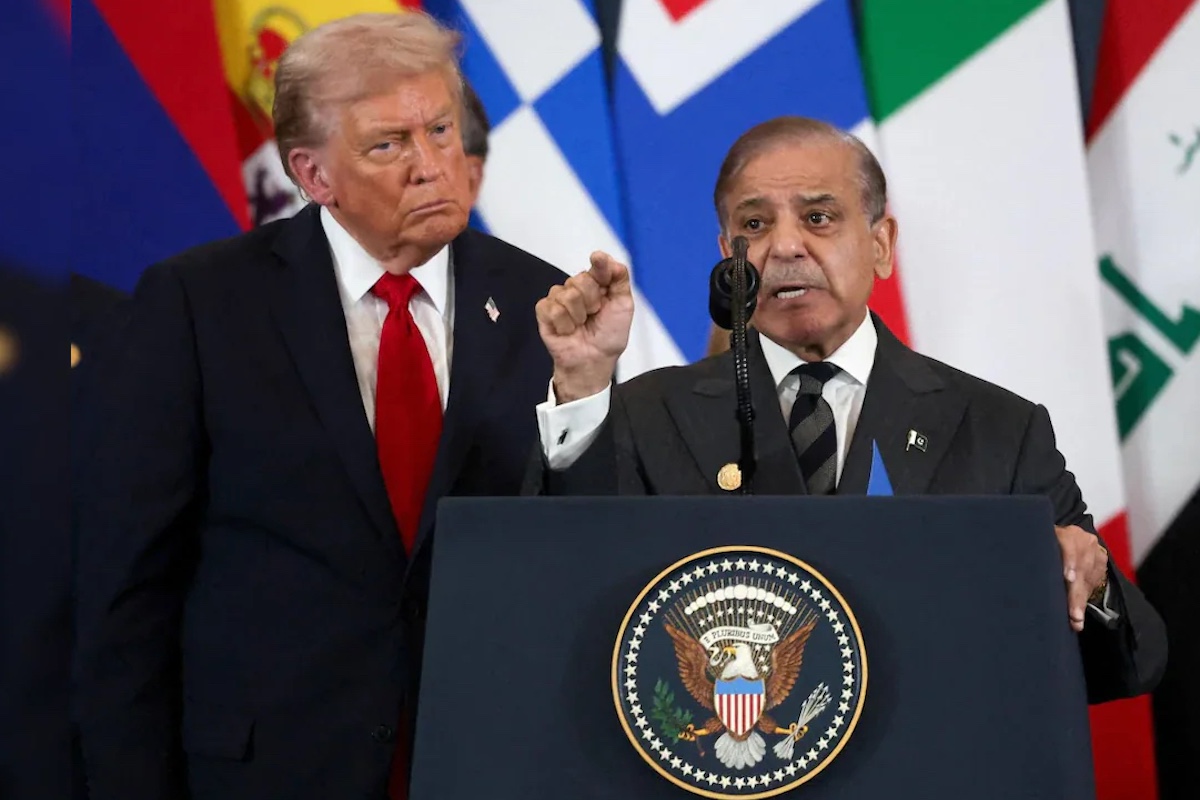
Pakistan’s relationship with Washington has once again attracted considerable attention. President Donald Trump has welcomed Pakistani leadership, publicly praised its military leadership and opened new avenues for cooperation.
Yet critics question whether this diplomatic visibility has translated into sufficient economic and strategic returns. That concern raises a more important question: What does Washington actually gain from maintaining relations with Pakistan, and how does diplomatic engagement eventually translate into tangible economic and strategic benefits?
The answer begins with understanding that international diplomacy is not a charitable arrangement. Countries engage with one another because their interests overlap. These interests may evolve with changing administrations, regional developments and global power dynamics, but they do not automatically disappear when a president leaves office or loses political influence.
The history of US-Pakistan relations illustrates this reality.
Following the September 11 attacks in 2001, it again…
Début de l'article, extrait de Asia Times. Pour lire la suite, ouvrez l'article chez le média.
MarketNews présente le titre et le résumé publiés par le média. L'article complet se lit sur le site de l'éditeur. (asiatimes.com)