A rapid interest rate rise seems inevitable – and households are expected to pick up the tab
Detailed summary
Raising borrowing costs too far risks laying waste to whatever growth there is in the economyA head of steam is building up behind the Bank of England raising interest rates…
Raising borrowing costs too far risks laying waste to whatever growth there is in the economy
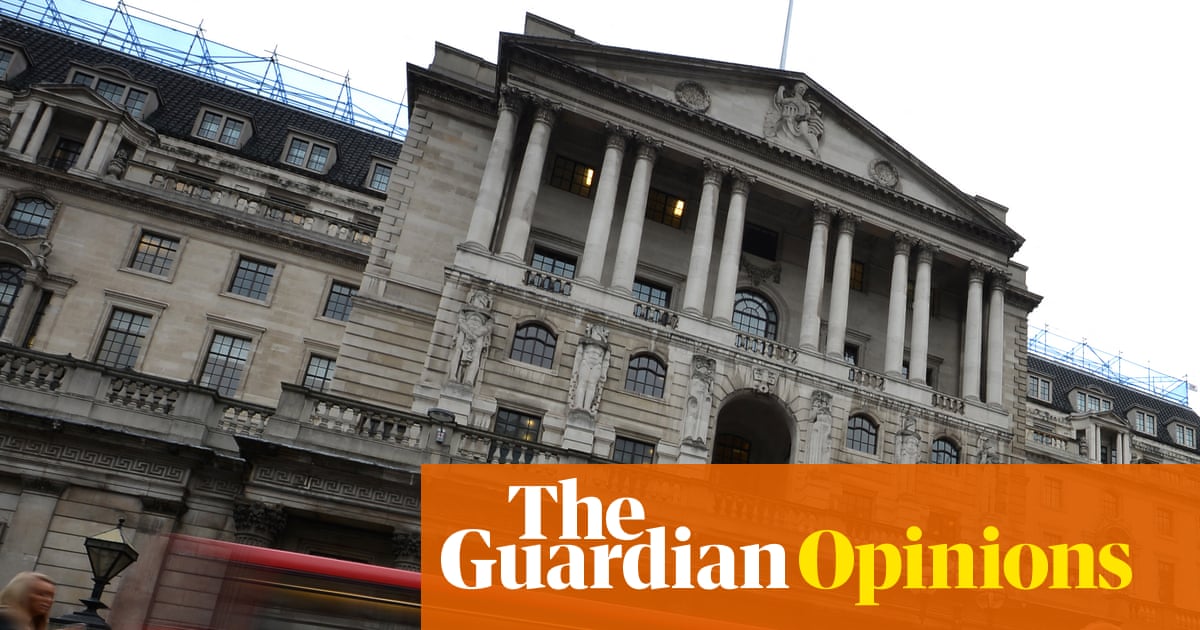
A head of steam is building up behind the Bank of England raising interest rates again. With the latest forecasts by the central bank showing inflation rising to 5% next spring, another increase in the cost of borrowing seems inevitable, and may come as soon as next month.
A growing number of analysts predict the Bank’s policymakers will don Scrooge masks when they meet on 17 December to deliver a message of austerity and sacrifice.
So sclerotic is the economy, so lacking in flexibility or productive spare capacity, that even the burst of growth experienced by the UK over the last year, defying most forecasters, must be calmed down with higher interest rates or else inflation will rip.
Huw Pill, the Bank’s chief economist, told the Financial Times on Saturday that more than one rate rise was almost certain.
This is not a message anyone who borrows money will want to hear, especially when the festive season is in full swing. If interest rates edge up from 4% to 4.25%, mortgage deals will rise and business loans will become more expensive.
The central bank expects businesses to react to the higher costs of doing business by hitting their customers with price hikes. It is an argument that presumes consumers have money available to pay higher prices, despite plenty of evidence to the contrary. Only households in the top half of the income scale have spent more this year and that has depended on running down their savings.
Consumers are also battle-hardened after the greedflation period following the pandemic that morphed into its evil cousin, shrinkflation. They know about grifting retailers and consumer product suppliers that try to build a narrative about the inevitability of surging inflation to disguise their own price hikes.
The Bank says its business surveys have failed to detect efforts by the corporate sector to increase prices.
Opening of the article, excerpted from The Guardian Business. To read the rest, open the article on the publisher's site.
MarketNews shows the headline and summary published by the outlet. The full article is on the publisher's website. (www.theguardian.com)