Three summits, three arenas: The diplomatic endgame of 2026
Detailed summary
As 2026 draws to a close, three major summits—EAS, APEC and the G20—will test whether global multilateralism can survive great-power rivalry, or if backroom bargains will steal the show.
Your browser is out of date, and may not be compatible with our website. A list of the most popular web browsers can be found below. Just click on the icons to get to the download page.
As 2026 draws to a close, three major summits—EAS, APEC and the G20—will test whether global multilateralism can survive great-power rivalry, or if backroom bargains will steal the show.
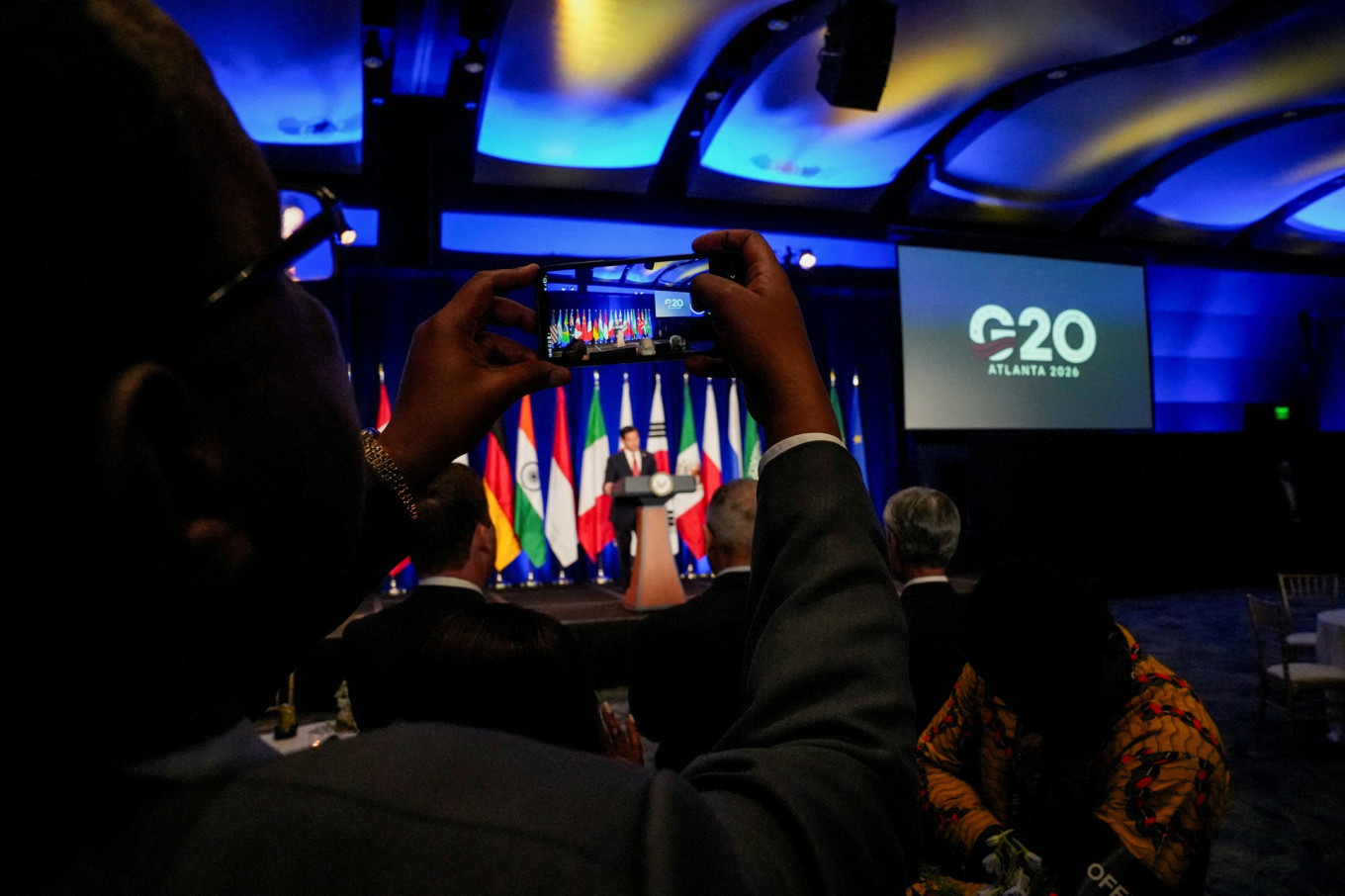
s 2026 draws to a close, three major summits will bring together world leaders in overlapping yet distinct fora: the East Asia Summit (EAS) in Manila; the Asia-Pacific Economic Cooperation (APEC) Economic Leaders' Meeting in Shenzhen, China; and the Group of 20 (G20) Summit in Miami, United States. Their significance will lie not merely in the declarations they produce, but in which leaders attend, who stays away and what bilateral or trilateral encounters unfold on their sidelines.
These gatherings occur amid deepening international divisions: United States–China rivalry, conflicts in Ukraine and West Asia, economic disruption and weakening multilateral institutions. Their central challenge is to restore cooperation that has increasingly been subordinated to great-power competition.
Indonesia occupies a pivotal position as a participant in all three summits—one of only seven countries in that category, and the sole ASEAN member state to attend all three.
The EAS comes first. The Philippines concludes its ASEAN chairmanship amid sharp confrontation with China in the South China Sea, having emerged as ASEAN's most outspoken challenger of Chinese maritime assertiveness. Meanwhile, the crisis in Myanmar remains unresolved, exposing ASEAN's limited capacity to manage its internal conflicts.
The EAS brings together ASEAN and eight dialogue partners, including the United States, China, Russia, and India. Its strategic breadth contrasts with its limited ability to generate cohesion.
US President Donald Trump's anticipated attendance would be significant, though his motivation may stem more from supporting the…
Whet…
Opening of the article, excerpted from The Jakarta Post. To read the rest, open the article on the publisher's site.
MarketNews shows the headline and summary published by the outlet. The full article is on the publisher's website. (www.thejakartapost.com)