China’s Huawei Convicted in U.S. Over Bank Fraud, Iran Ties
Résumé détaillé
China’s biggest technology firm and the world’s largest telecommunications equipment maker has been convicted in the U.S. of stealing trade secrets and defrauding banks about its…
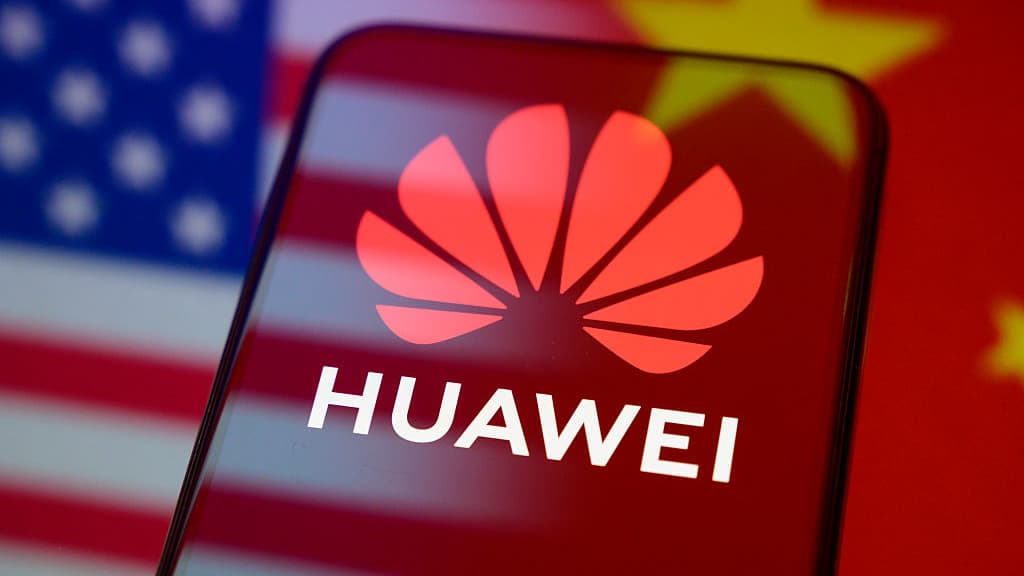
China’s biggest technology firm and the world’s largest telecommunications equipment maker has been convicted in the U.S. of stealing trade secrets and defrauding banks about its business in Iran.
Huawei was found guilty on 10 of 12 counts by a jury in Brooklyn on Tuesday. The verdict all but brings to a close an almost eight-year-long criminal case against Huawei and three of its subsidiaries. The sprawling legal case spanned a 12-week trial, dozens of witnesses, and hundreds of motions and filings.
It’s a rare case of U.S. prosecutors securing a conviction against a foreign corporation and could have significant consequences for both Huawei and U.S.-China relations.
The Justice Department first announced charges against Huawei in January 2019 as part of the first-term Trump Administration’s “China Initiative,” a controversial program to investigate and prosecute Chinese influence and espionage in the U.S.
The Shenzhen-based tech giant was found guilty of bank and wire fraud, conspiracy to steal trade secrets, and violations of U.S. sanctions. It faces massive potential penalties, including fines, forfeiture, and restitution. Sentencing is set for September 2027, with motions in advance of sentencing expected to start in the third week of January.
“Few crimes are as serious as Huawei’s decades-long pattern of endangering U.S. national security, violating the sanctity of U.S. commerce, and impeding the enforcement of U.S. laws,” U.S. Attorney Joseph Nocella Jr. said.
James Barnacle Jr., assistant director in charge of the FBI’s New York office, added, “Huawei’s success was built on deception and theft, and the FBI will never hesitate to pursue those who profit by breaking the law.”
The jury, however, acquitted Huawei of the most serious charge: racketeering conspiracy under the Racketeer Influenced and Corrupt Organisations Act (RICO).
Huawei’s attorney Brian Heberlig argued that U.S. prosecutors “began with guilt and worked backwards,” basing their claims of conspiracy on…
Début de l'article, extrait de Time. Pour lire la suite, ouvrez l'article chez le média.
MarketNews présente le titre et le résumé publiés par le média. L'article complet se lit sur le site de l'éditeur. (time.com)