Chinese automakers in Vietnam: New competitive landscape and power of local partners
Detailed summary
The rise of China’s automotive industry is reshaping competition in Vietnam. Yet as more Chinese brands enter the market, their fortunes are diverging. According to industry expert Vu Tan Cong, offering competitive products is not enough. How manufacturers organise their market operations and choose Vietnamese partners will determine whether brands can establish a foothold.
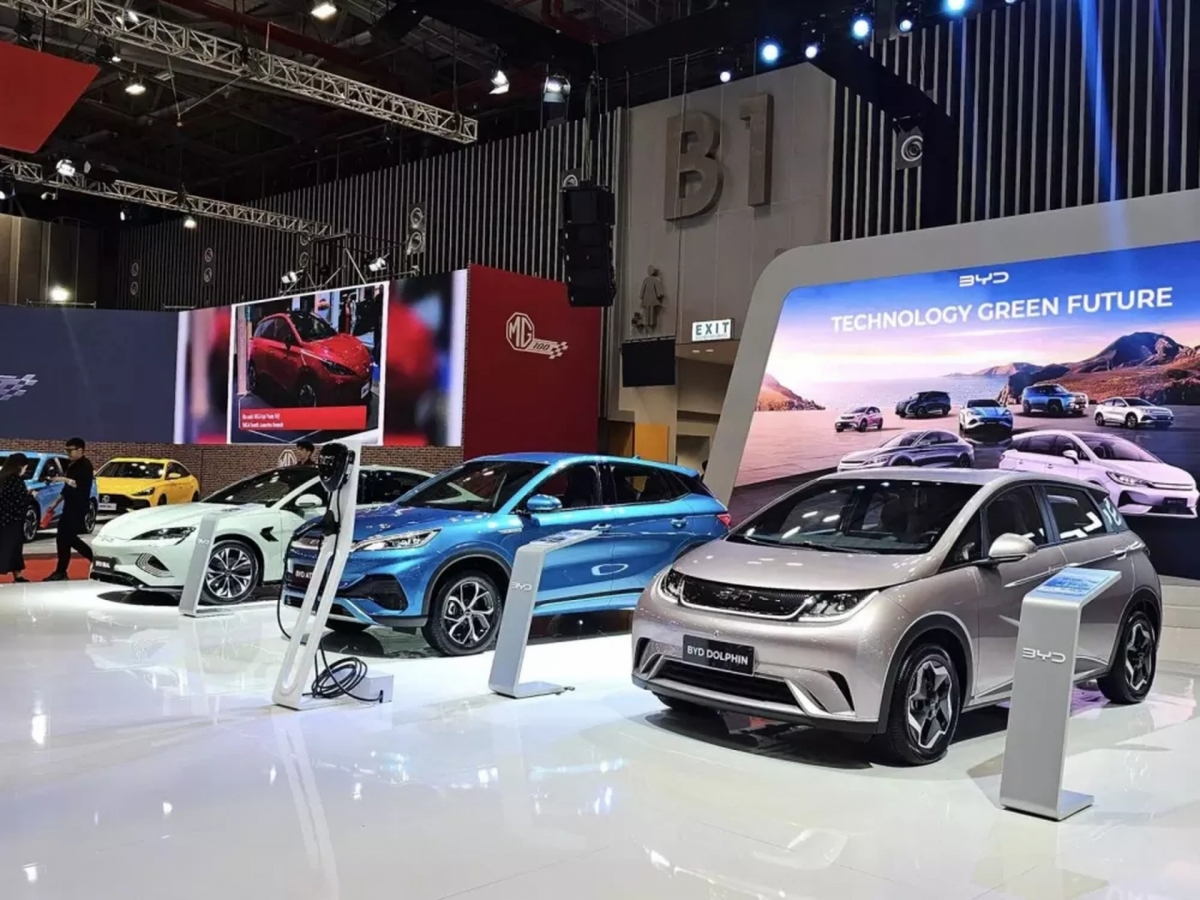
In Cong's view, 16 Chinese passenger car brands are now present in Vietnam. However, the rapid increase in the number of brands has not translated into a corresponding rise in market share.
In the first nine months of 2026, Vietnam’s automotive market recorded sales of approximately 412,000 vehicles. Yet newly registered Chinese-origin passenger cars with fewer than nine seats accounted for only around 3.6 per cent of the total. Sales performance varied considerably between brands.
“BYD sold approximately 4,150 vehicles in the first nine months of 2026, up 60 per cent on-year. Geely also posted an impressive 2,934 units, particularly given that it only began delivering vehicles to customers in mid-2025. Omoda and Jaecoo recorded sales of 2,193 and 1,272 units, respectively. Meanwhile, MG sold only 3,265 vehicles, down 56 per cent on-year, while Wuling has yet to make significant progress,” Cong said.
“These figures demonstrate that competition is no longer simply between Chinese carmakers and Japanese, South Korean, American or Vietnamese brands. Competition for customers is intensifying even within the Chinese automotive group.”
Once primarily associated with low-cost vehicles, Chinese carmakers have made significant advances over the past decade in battery technology, electric and hybrid vehicles, software, and advanced driver assistance systems. They have achieved considerable success in the new energy vehicle segment.
Large-scale manufacturing capacity and the advantages of an integrated domestic supply chain have underpinned the rapid rise of China's automotive industry, enabling manufacturers to expand internationally, including into Vietnam.
In 2021, Vietnamese consumers were familiar with only a handful of Chinese brands, such as MG, Beijing and Hongqi. Since 2023, however, the market has continuously welcomed new entrants, including Wuling, Lynk & Co, BYD, Geely, Omoda and Jaecoo.
With 40 years experience in this automotive sector, Cong believes that success…
Among…
Opening of the article, excerpted from Vietnam Investment Review. To read the rest, open the article on the publisher's site.
MarketNews shows the headline and summary published by the outlet. The full article is on the publisher's website. (vir.com.vn)