Life-and-death calls, lives upended: 5 things to watch for inside Singapore’s busiest trauma unit
Résumé détaillé
CNA series Inside The Trauma Unit transports you to Tan Tock Seng Hospital, where a medical team must be ready for any case, from an 88-year-old who had a bad fall to a man…
CNA series Inside The Trauma Unit transports you to Tan Tock Seng Hospital, where a medical team must be ready for any case, from an 88-year-old who had a bad fall to a man crushed by a truck.
SINGAPORE: When 43-year-old Daljit Singh got crushed by a trailer truck in September, he had multiple broken ribs, a crushed chest and skin torn from muscle.
He remembered screaming in pain. “But my scream was drowned out by the heavy rain,” he said.
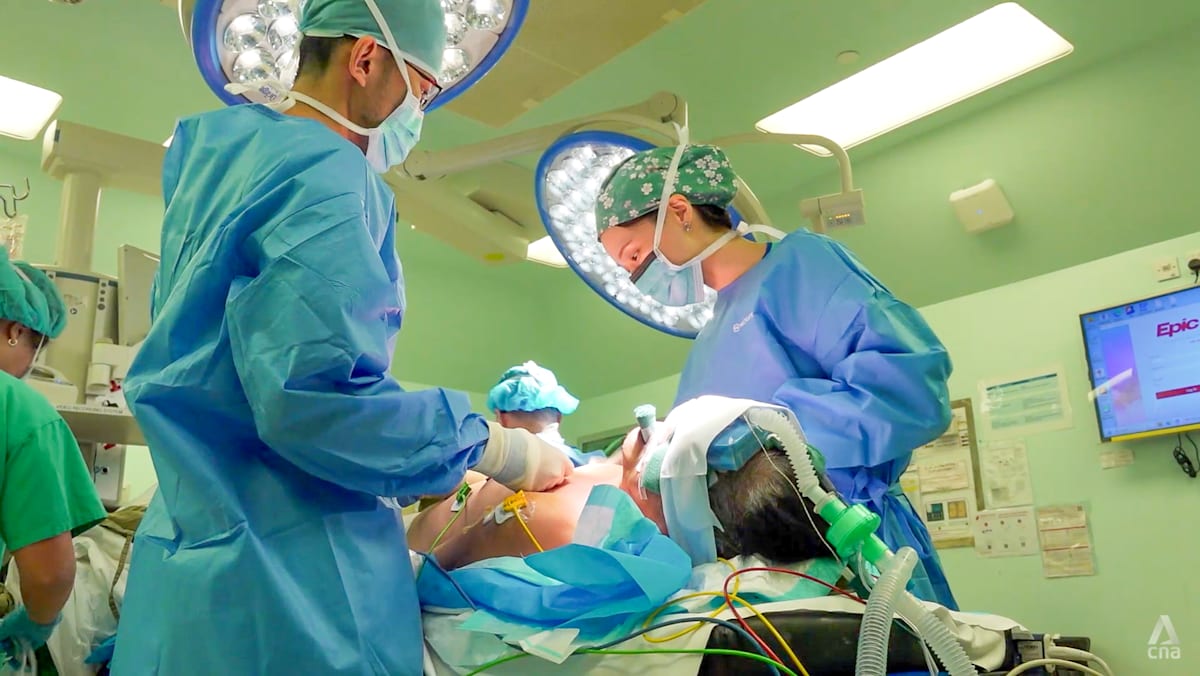
After he was rushed to Tan Tock Seng Hospital (TTSH), surgeons in the operating theatre raced to cut dead muscle tissue from his chest. Dead muscles would release toxins and cause kidney failure, said TTSH Trauma Centre director Teo Li-Tserng.
The patient’s injuries required multiple operations. Doctors had to judge how long to give his damaged skin a chance to recover before there is dead tissue infecting healthy areas. They eventually removed an area of skin measuring 20cm by 30cm.
“If we didn’t intervene early,” said Teo, an adjunct assistant professor, “he may actually not recover.”
A video of Singh’s family visiting, filmed by his wife, captured his eldest daughter’s worry. “Is he going to be okay?” she asked.
His ordeal is one of many cases featured in Inside The Trauma Unit, CNA’s three-part series bringing viewers inside Singapore’s busiest trauma unit.
Patients and their families tell their stories — from the fear of surgery to worries about work — while doctors, nurses and other specialists weigh treatment risks and coordinate care, sometimes before the full extent of a patient’s injuries is clear.
Début de l'article, extrait de CNA. Pour lire la suite, ouvrez l'article chez le média.
MarketNews présente le titre et le résumé publiés par le média. L'article complet se lit sur le site de l'éditeur. (www.channelnewsasia.com)