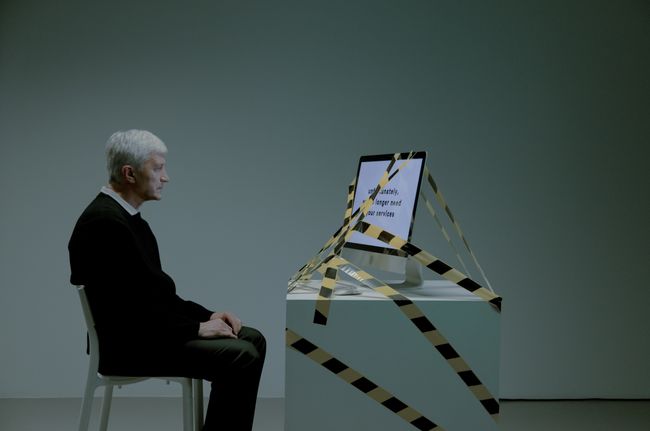
The public exposure that remains after an incident is contained

Résumé détaillé
Consider a hypothetical mid-sized company that has contained a breach. Its security team has revoked compromised...
GUEST OPINION: Consider a hypothetical mid-sized company that has contained a breach. Its security team has revoked compromised access, patched the affected systems and restored operations. Weeks later, however, a copied customer file is still available through a forum mirror, while a fabricated “company statement” circulates on social media. The technical incident record may say the attack has been contained. A customer searching the company’s name sees a different aftermath.
That gap matters to enterprise leaders because material that has left an organisation’s environment cannot be managed solely through its infrastructure controls. Publicly accessible copies, impersonating accounts and misleading claims may require a separate response, with different owners and different measures of progress.
Incident response rightly concentrates first on stopping further harm. Access is restricted, affected systems are investigated and the organisation works towards safe restoration. The NIST incident response guidance distinguishes containment and eradication activities from recovery work, including restoring affected systems and verifying that they can operate safely. Those activities provide a way to manage the technical incident. They do not, by themselves, retract a document that someone downloaded before access was cut off.
The difference is one of control. An organisation can disable an account it owns or remove a file from its own server. It cannot apply the same administrative action to a copy on an unrelated site, a screenshot in a social post or a page that falsely presents itself as an official notice. Even when the original exposure has been closed, those external items can remain available to people making decisions about the business.
This does not mean a technical incident should be kept open indefinitely until every public trace disappears. It means the closure criteria should be precise: systems may be restored while a linked public-exposure workstream remains…
Le…
Début de l'article, extrait de iTWire. Pour lire la suite, ouvrez l'article chez le média.
MarketNews présente le titre et le résumé publiés par le média. L'article complet se lit sur le site de l'éditeur. (itwire.com)