Infinity of phalluses: Yayoi Kusama’s big, bold and psychedelic art legacy
Résumé détaillé
Japanese artist Yayoi Kusama’s installations are big, bold and controversial. From the time she burst upon the pop art scene in the 1960s until her death on August 14, 2026, at…
Japanese artist Yayoi Kusama’s installations are big, bold and controversial. From the time she burst upon the pop art scene in the 1960s until her death on August 14, 2026, at the age of 97, she challenged the Western, male-dominated art world.
She also upended assumptions about mental disorders, which many people have uncritically seen as the source of her creativity. Her phallic sculptures and confounding mirror rooms are still popular, and they defy artistic classifications. Kusama’s resistance to categorization raises an intriguing question: What is her lasting effect on the art world?
Kusama took a major step into the global art scene after sending two canvases for display at Amsterdam’s Stedelijk Museum on February 5, 1962. After that, she shifted her direction to avant-garde sculpture.
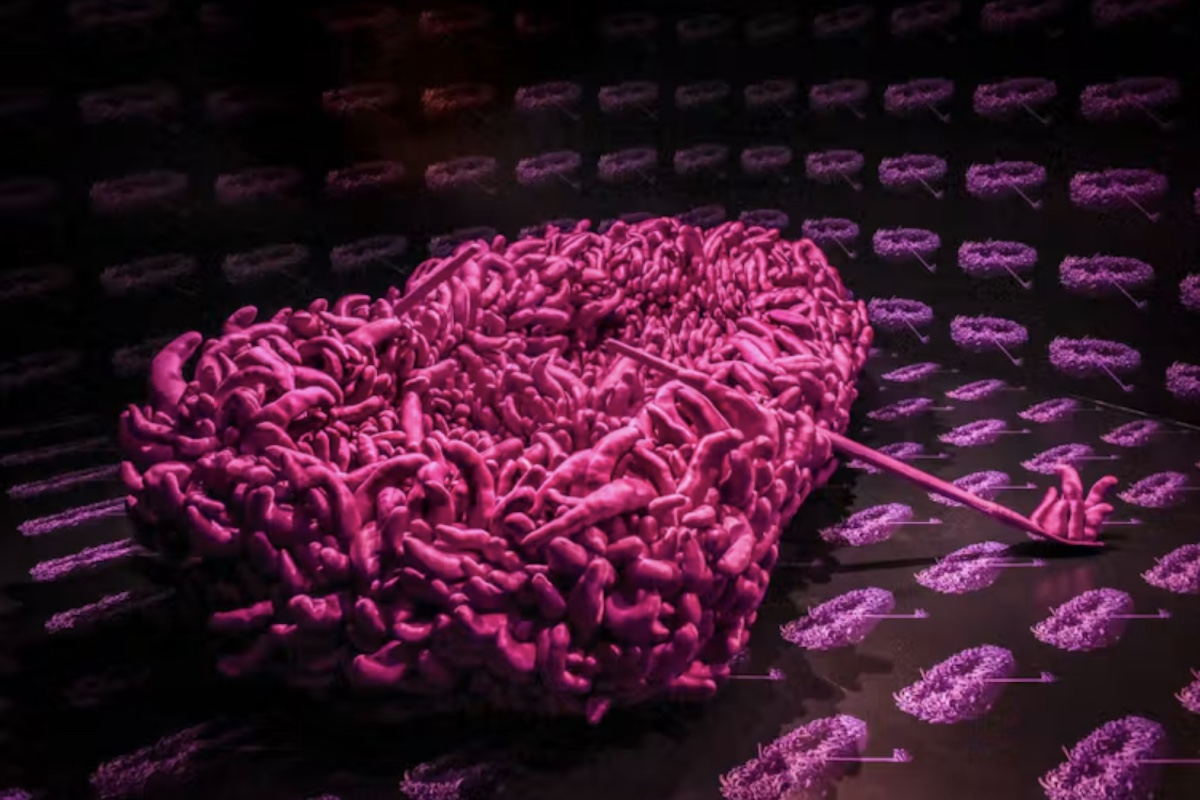
She created Accumulation No. 1, her first work in a series that employed sewn phallic protrusions. The series thrust her into New York City’s pop art scene and would lead to her fantastical Infinity Mirror Rooms installation.
A major retrospective of her work is on view at the Stedelijk Museum through January 17, 2027.
The specter of her mental health issues, however, still undermines her art’s significance. Critics often link the repetition in her work to obsessive-compulsive disorder.
But as an art historian who has studied Kusama extensively, I argue that she intentionally used compulsivity to examine gender issues in the art world. A close look at Accumulation No. 1 reveals how she pulled this off.
Kusama’s emphasis on gender came into focus when she arrived in the male-dominated New York art world. During the 1940s and 50s, while abstract expressionism reigned in New York, women in the scene were treated as wives and assistants.
Painter Grace Hartigan had to adopt the pseudonym “George” to gain recognition. By the 1960s, that was starting to change. Venezuelan sculptor Marisol Escobar’s May 1962 exhibition at the Stable Gallery bucked the trend of gender conformity by…
Début de l'article, extrait de Asia Times. Pour lire la suite, ouvrez l'article chez le média.
MarketNews présente le titre et le résumé publiés par le média. L'article complet se lit sur le site de l'éditeur. (asiatimes.com)