The next UN secretary general needs to restore the art of diplomacy
Résumé détaillé
While it would be wrong to claim that the international community has walked in lockstep ever since the UN was created eight decades ago, the organisation’s role in building…
While it would be wrong to claim that the international community has walked in lockstep ever since the UN was created eight decades ago, the organisation’s role in building momentum and consensus around the world’s most pressing issues is also undeniable.
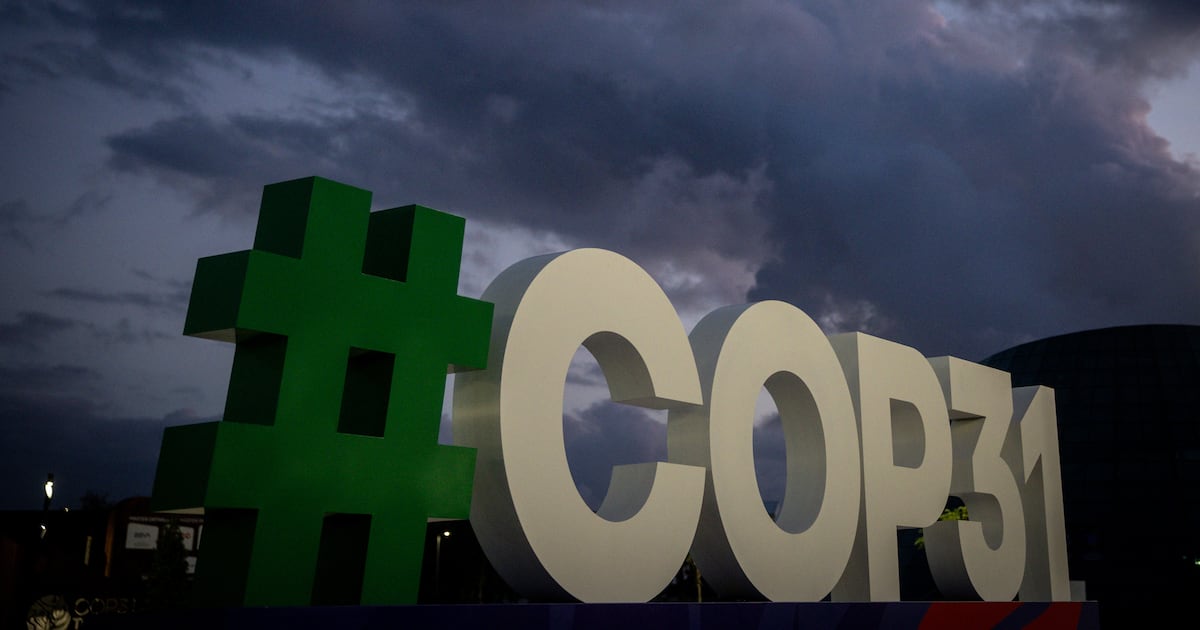
However, the outcomes of two UN conferences that ended within three days of each other suggest that the willingness of its member states to find common ground with one another is becoming rarer still with every passing year. Indeed, the postponement of negotiations on lethal autonomous weapons in Switzerland last Friday, coupled with the failure of Cop31 in Turkey to secure an agreement on fossil fuel transition and climate finance on Sunday, is yet another reminder of the reality that multilateral diplomacy is struggling to translate urgency into action.
As the UN prepares to elect a new secretary general on January 1 next year, it is painfully clear that whoever succeeds Antonio Guterres, the current incumbent, will inherit an institution facing a crisis of both relevance and credibility.
At the Convention on Certain Conventional Weapons, delegations representing 128 member states in Geneva fell short of their stated objective to launch immediate negotiations on passing binding new rules involving lethal autonomous weapons – instead, agreeing to simply continue discussions for the next two years.
Meanwhile in Antalya, Cop31 ran into overtime amid efforts to bridge divisions over fossil fuel language, carbon capture and adaptation finance in the final draft. Unfortunately, the gap between countries – major emitters, energy producers and the more vulnerable nations demanding accessible funding – proved too wide to close. As Amina Mohammed, deputy secretary general of the UN, said at the end of Cop31, “today we lost a battle”, while urging for continued efforts to “fight for climate justice”.
Both outcomes reflect a deep-rooted problem, which is that consensus – intended to preserve international co-operation – often…
Ye…
Début de l'article, extrait de The National. Pour lire la suite, ouvrez l'article chez le média.
MarketNews présente le titre et le résumé publiés par le média. L'article complet se lit sur le site de l'éditeur. (www.thenationalnews.com)