Why sportswomen are turning to OnlyFans – and what it says about inequality in sport
Résumé détaillé
More female athletes are using OnlyFans to fund their careers. But the trend reflects a longer history of sexualisation and financial inequality in women’s sport.
Some of the world’s best athletes are now making more money on OnlyFans than they do winning championships.
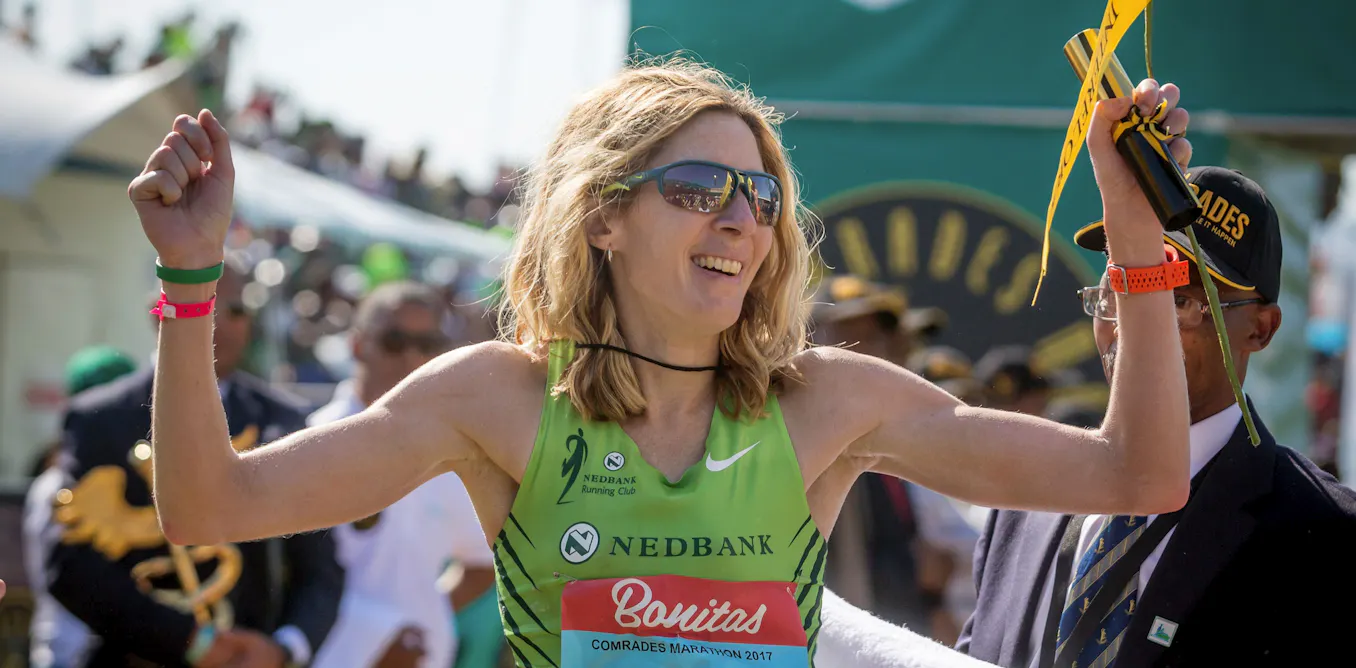
From American ultrarunner Camille Herron to Australian motorcycle racer Tayla Relph and German Olympic bobsled champion Lisa Buckwitz, a growing number of elite sportswomen are turning to the subscription platform to fund their careers.
While some athletes post sexually explicit material, others are using OnlyFans for sponsorship, training footage and behind-the-scenes content.
Their growing presence on a site best known for adult content has sparked debate about whether it represents empowerment or exploitation.
This trend might be making headlines, but it’s part of a much longer history of sportswomen using their bodies and public profiles to earn money – often in an industry that has undervalued their athletic achievements.
In December 1998, Playboy featured German figure skater Katarina Witt, a two-time Olympic gold medallist and four-time world champion. The issue reportedly became only the second in the magazine’s history to sell out worldwide.
Other prominent athletes followed, including Olympic swimmer Amanda Beard and professional volleyball player Gabrielle Reece. Sportswomen have also appeared in revealing photo shoots for FHM, Sports Illustrated’s Swimsuit Issue, ESPN The Magazine’s Body Issue and GQ.
In 1999, Australia’s national soccer team, the Matildas, appeared in a now infamous nude calendar to boost their profile and raise funds.
The rise of social media in recent years has now offered sportswomen new ways to control how they present themselves.
Début de l'article, extrait de The Conversation AU. Pour lire la suite, ouvrez l'article chez le média.
MarketNews présente le titre et le résumé publiés par le média. L'article complet se lit sur le site de l'éditeur. (theconversation.com)