Francophonie summit must speak up on Mother Nature Cambodia 5
Detailed summary
When leaders from around the Francophone world meet on November 15 in Phnom Penh, Cambodia, five activists from the country’s preeminent environmental group will be serving their…
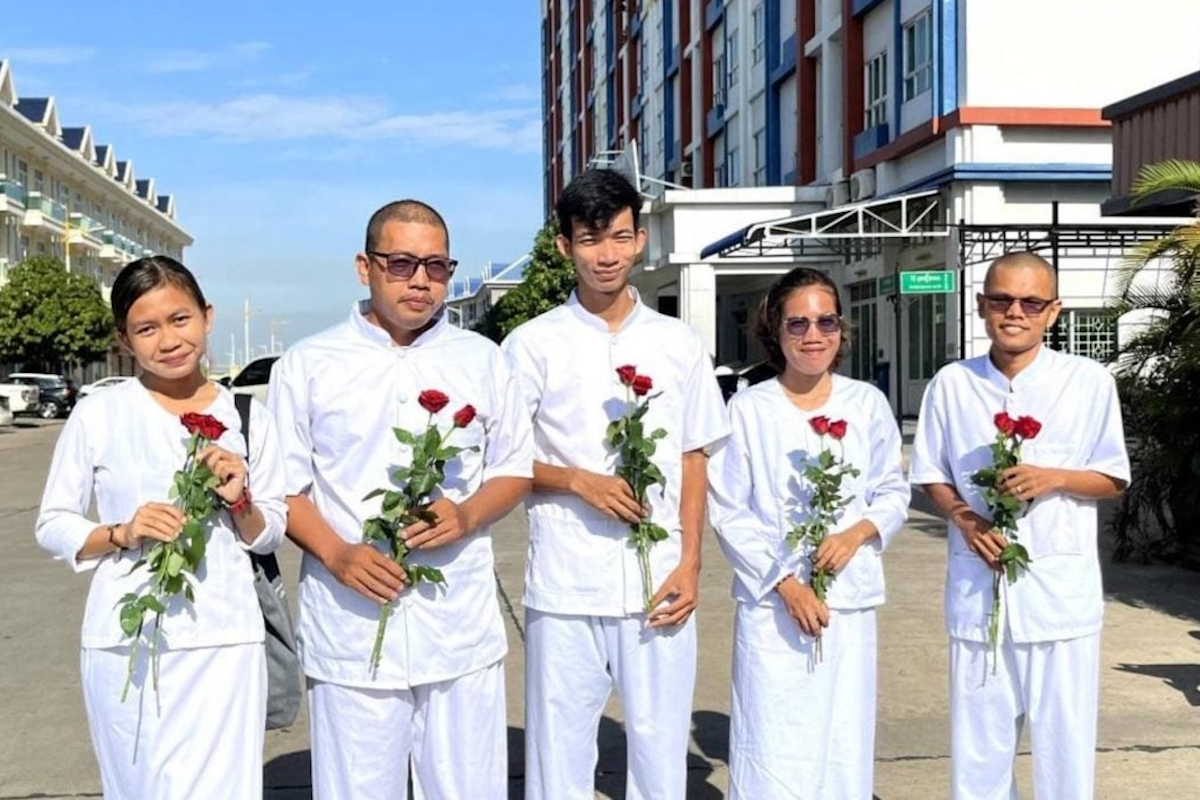
When leaders from around the Francophone world meet on November 15 in Phnom Penh, Cambodia, five activists from the country’s preeminent environmental group will be serving their 866th day in prison.
They are Ly Chandaravuth, Thun Ratha, Yim Leanghy, Phuon Keoraksmey and Long Kunthea, collectively known as the Mother Nature Cambodia 5, or MNC5.
When they were free, they worked with local communities to educate and empower them to defend forests, wetlands, rivers and seas. They researched, investigated and exposed failures to protect the environment and documented their activities on social media for the Cambodian people to see and discuss.
Mother Nature Cambodia plays a critically important role for the people of Cambodia, who have suffered from the nation’s environmental degradation in the rapacious pursuit of resources. The group has led numerous campaigns to protect the environment.
They led the successful effort to stop the Stung Cheay Areng hydropower dam, which threatened to flood homes, indigenous communities and forests in the pristine Areng Valley in Koh Kong province.
They exposed the damage caused by sand dredging and the corruption surrounding its export to Singapore’s construction industry, a campaign that led to a multi-year export ban that has since been lifted.
They protested government-backed developers’ destruction of Boeung Tamok, a vital wetland in Phnom Penh, and the illegal logging of the Prey Lang Wildlife Sanctuary. They stood up against the destruction of mangrove forests and critical coastal habitats in Koh Kong, and documented and exposed the illegal pollution of the Tonle Sap River in Phnom Penh.
Their supposed crime? Simply put, speaking out against the corruption and greed that drive the plunder of Cambodia’s natural resources. They urged protection for the environment, and when authorities and their cronies ignored those calls, they organized peaceful, symbolic public protests to draw attention to their demands.
The government responded by…
Opening of the article, excerpted from Asia Times. To read the rest, open the article on the publisher's site.
MarketNews shows the headline and summary published by the outlet. The full article is on the publisher's website. (asiatimes.com)