DNA technology empowers scientists to track sharks
Résumé détaillé
Using environmental DNA or eDNA technology, shark scientists in Sydney will be able to detect and track bull sharks in Sydney Harbour. Samples of shark DNA shed in the ocean, such…
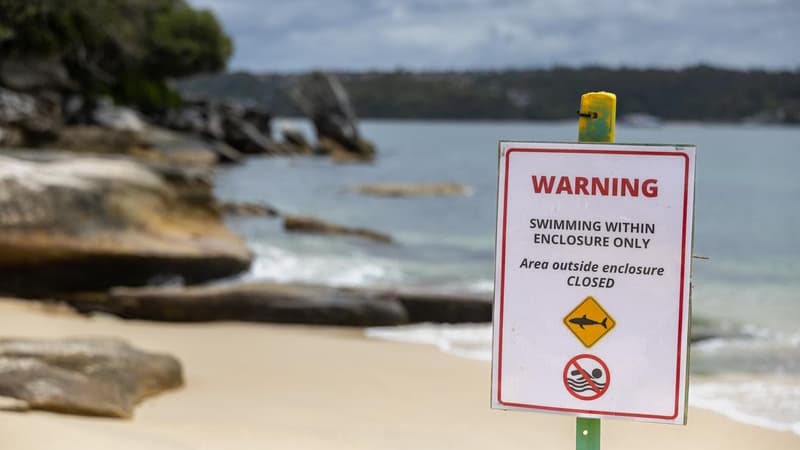
New technology is being deployed as a harbour city grapples with how to minimise shark attacks heading into summer.
Using environmental DNA or eDNA technology, shark scientists in Sydney will be able to detect and track bull sharks in Sydney Harbour.
Samples of shark DNA shed in the ocean, such as skin cells, mucus and other biological material, are being collected from 14 sites around the harbour.
Using eDNA technology, scientists can determine whether bull sharks have been in an area, helping them better understand their distribution.
They will then integrate detection data with environmental information, including temperature, salinity and rainfall, allowing researchers to establish whether environmental conditions impact bull shark movements.
Funded as part of the NSW government's $120 million shark management program, the project began in October and will run until June.
It comes after a series of bull shark attacks along the coast last summer, one of which was fatal.
Rose Bay Secondary College student Nico Antic, 12, died in hospital in January after being bitten by a suspected bull shark near Shark Beach in Vaucluse.
Other features of the state government's shark management program include 305 SMART drumlines that collect data on when sharks are more likely to be caught, 39 shark listening stations, 51 shark nets and daily drone monitoring across 72 beaches.
Début de l'article, extrait de AAP. Pour lire la suite, ouvrez l'article chez le média.
MarketNews présente le titre et le résumé publiés par le média. L'article complet se lit sur le site de l'éditeur. (aapnews.aap.com.au)