Why what’s happening at sea affects the price of what’s in your pantry
Résumé détaillé
Supermarket shelves are not as empty as they were in 2020 when Covid-19 hit, but food prices have risen over the past couple of months and are likely to keep rising. Who or what…
Supermarket shelves are not as empty as they were in 2020 when Covid-19 hit, but food prices have risen over the past couple of months and are likely to keep rising. Who or what is responsible for the increase? The answers point to war and the El Nino climate phenomenon.
The most recent World Bank report, Commodity Markets Outlook, states that food commodity prices are set to rise by 10 per cent in 2026 and seven per cent in 2027, as conflict makes shipments through the Black Sea difficult and extreme weather patterns put harvests in an uncertain position. The updates reflect the impact of geopolitical and climate-related developments. The latest food commodity price forecasts for 2026 and 2027 are 7.6 and 13.9 per cent higher than in the previous April revision. However, if El Nino or current conflicts intensify rather than lessen, food price indices could strain people’s pockets.
El Nino-Southern Oscillation consists of El Nino, the warmest phase, and La Nina, the coldest phase, a recurring climate phenomenon of fluctuation in the sea surface temperature in the central and eastern equatorial Pacific.
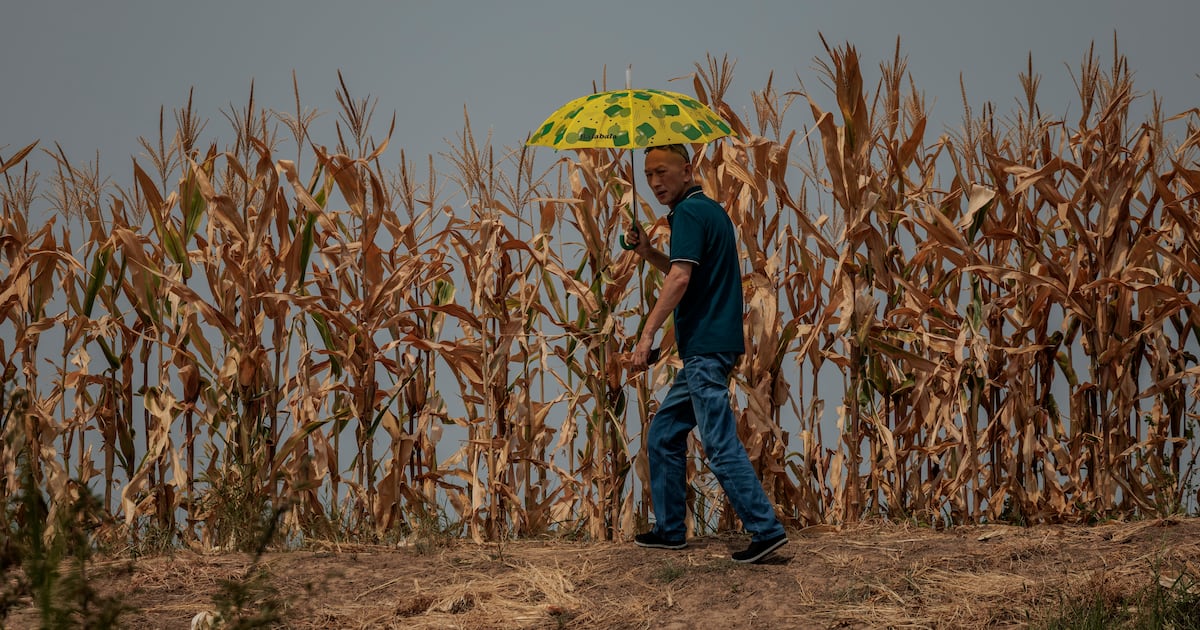
Historically, no two El Ninos are the same and their effects vary widely around the world. On average, they bring dry conditions to Australia, Central America, parts of South America, the Sahel, and South and South-East Asia. They also tend to bring wet weather to other parts of South America, Central Asia and the southern US. Governments have also started preparing for their effects: in Africa, the Kenyan government announced a nationwide preparedness plan on July 2 for the expected El Nino weather event, noting concerns about flooding and crop destruction.
Its impact on commodity prices varies because its weather effects interact with the food supply chain: farming, production, processing and distribution. Historical patterns show that agricultural commodity prices, including food, are, on average, higher in the months following El Nino.
The current forecast implies a…
Début de l'article, extrait de The National. Pour lire la suite, ouvrez l'article chez le média.
MarketNews présente le titre et le résumé publiés par le média. L'article complet se lit sur le site de l'éditeur. (www.thenationalnews.com)