The Doctor Challenging Decades of Dementia Research
Résumé détaillé
Most research has focused on wealthy countries and people of European ancestry. In Kenya and Nigeria, Chi Udeh-Momoh is testing what prevention looks like when African communities…
Most research has focused on wealthy countries and people of European ancestry. In Kenya and Nigeria, Chi Udeh-Momoh is testing what prevention looks like when African communities help shape the science.
Dementia research has largely focused on wealthy countries and people of European ancestry. In the United States alone, federal funding for Alzheimer’s and dementia research totals about $3.9 billion annually, according to the Alzheimer’s Association.
But in the African communities neuroscientist Chi Udeh-Momoh works with, families are confronting a disease that too often goes unrecognized—and prevention strategies that have rarely been tested in their settings.
When people ask why she doesn’t study HIV, poverty, or infectious disease instead, her answer is straightforward: if not me, then who?
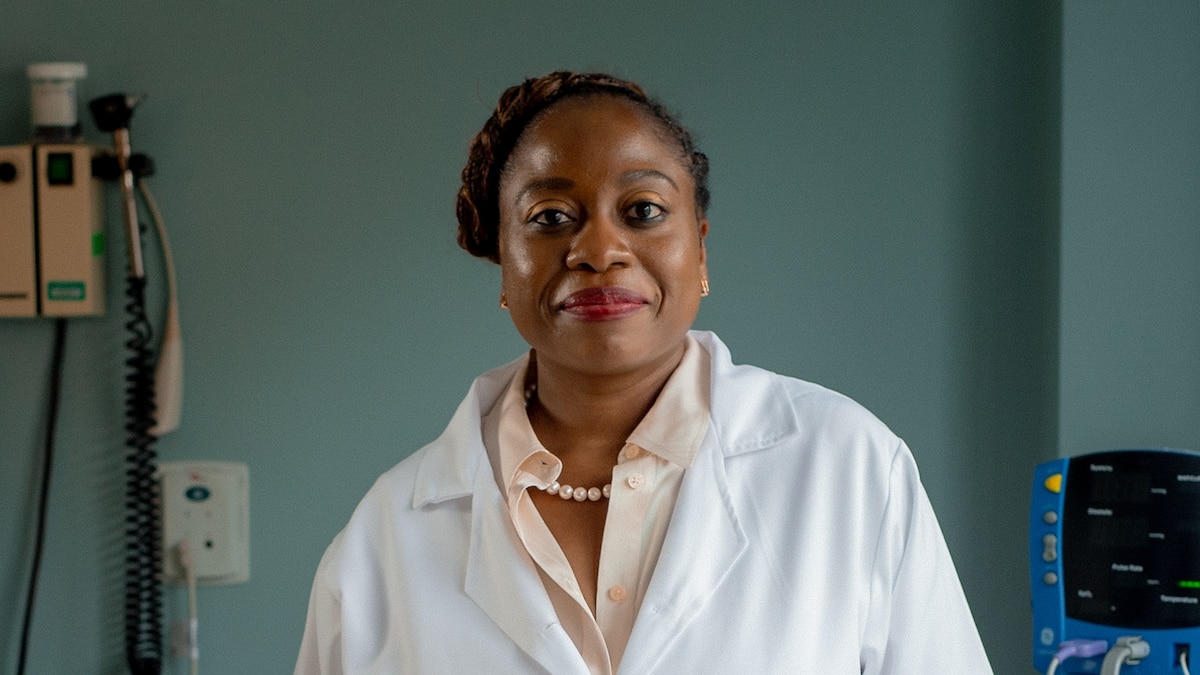
Udeh-Momoh, an associate professor of epidemiology and prevention, and gerontology and geriatrics medicine at Wake Forest University School of Medicine in North Carolina and an academic faculty member at Aga Khan University in Kenya, is leading Africa-FINGERS, a program in Kenya and Nigeria designed to reduce dementia risk. Working with physicians, community health workers, researchers, and caregivers, she wants to understand how prevention can fit into the lives of people whose experiences have been missing from much of the research.
Finding those answers is becoming more urgent. A 2024 paper she co-authored cites projections that dementia cases could increase by more than 300 percent in parts of Africa by 2050, driven largely by the global population aging.
For Udeh-Momoh, the question is not simply how to bring existing care to more people. It is how to build the evidence for care that works for them. And for the African scientists and community organizers involved, it’s more than research. It’s an act of love.
Udeh-Momoh has always been fascinated by the brain. But the urgency she brings to her work is also deeply personal.
While completing her undergraduate studies at the…
Début de l'article, extrait de National Geographic. Pour lire la suite, ouvrez l'article chez le média.
MarketNews présente le titre et le résumé publiés par le média. L'article complet se lit sur le site de l'éditeur. (www.nationalgeographic.com)